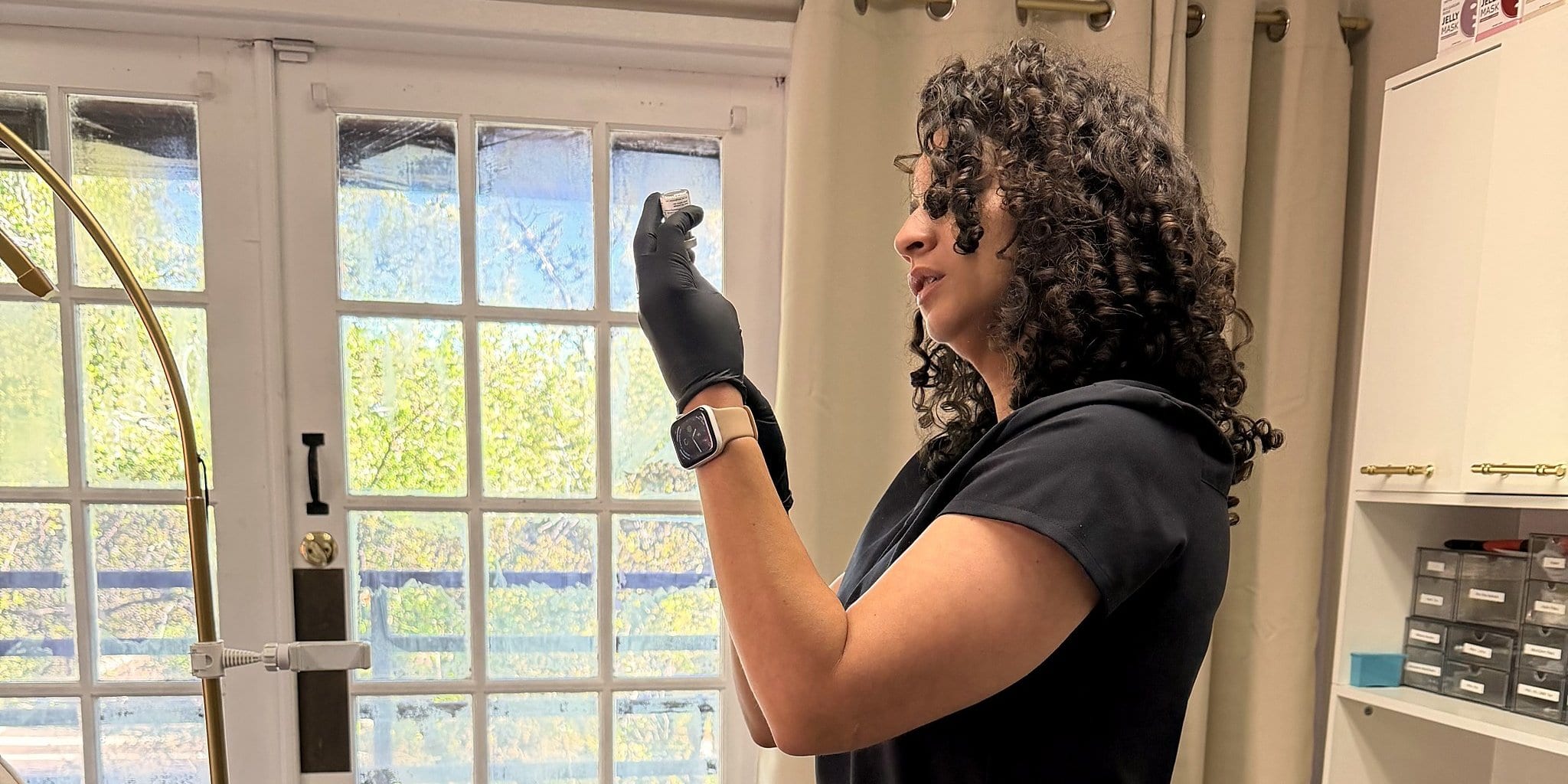
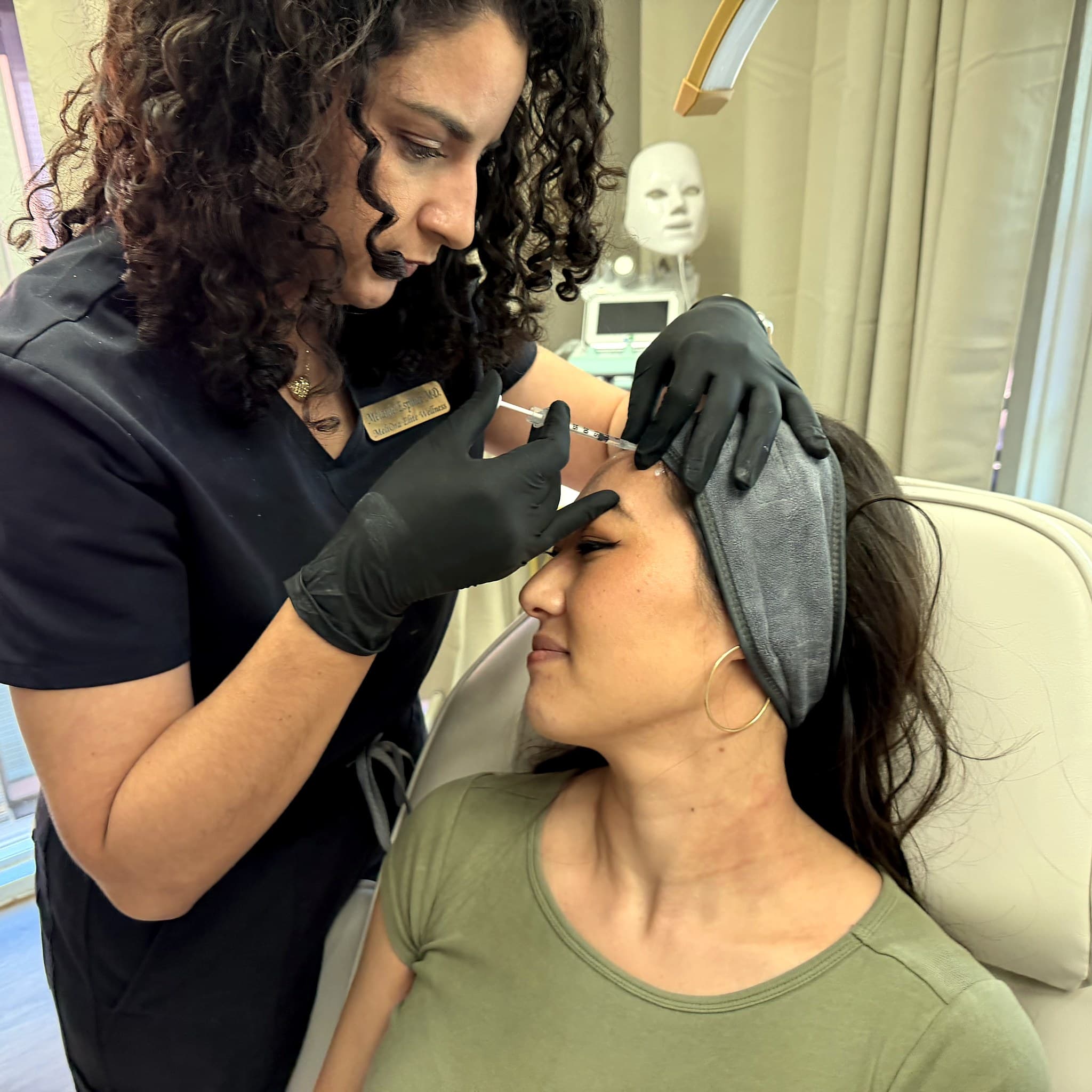
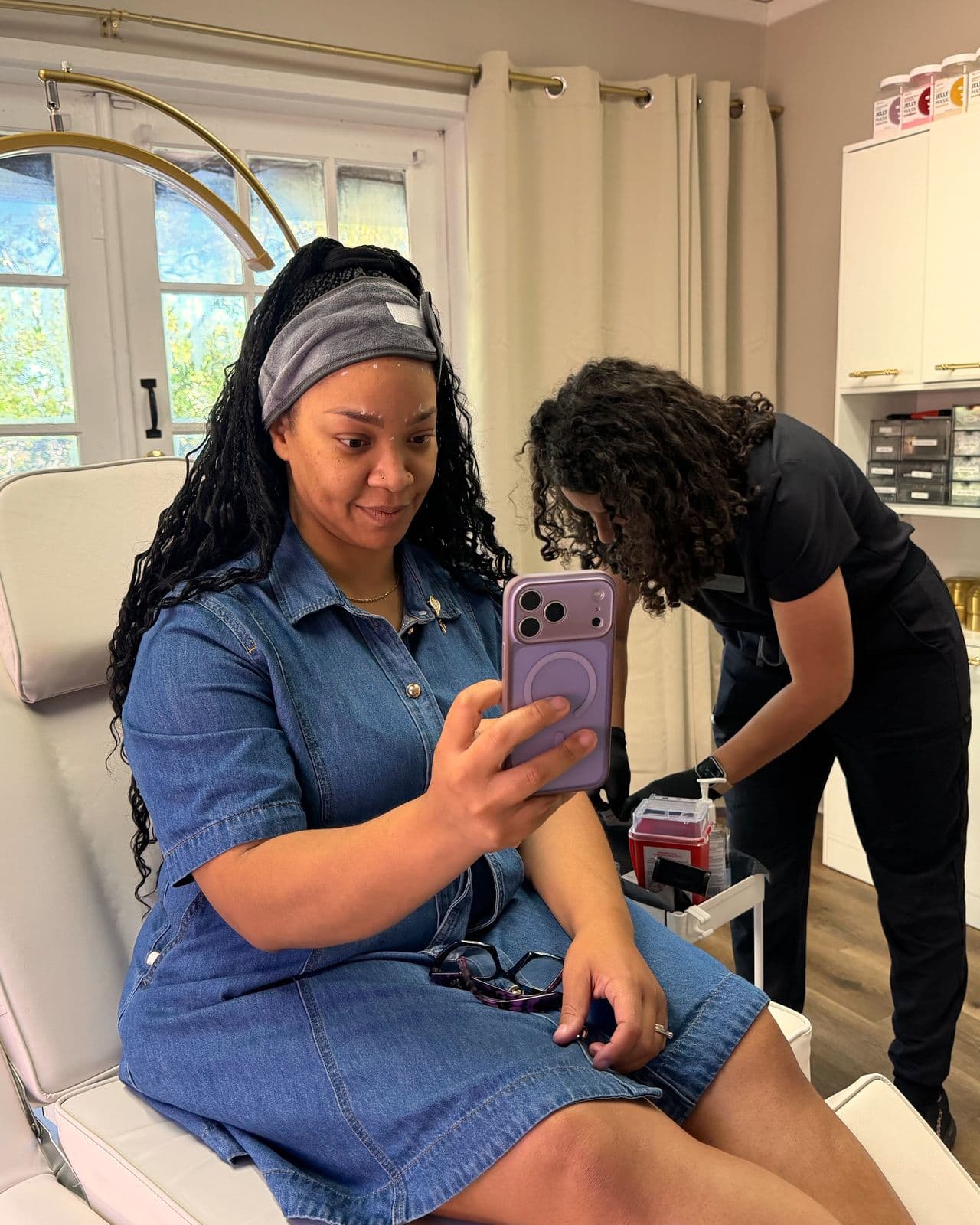
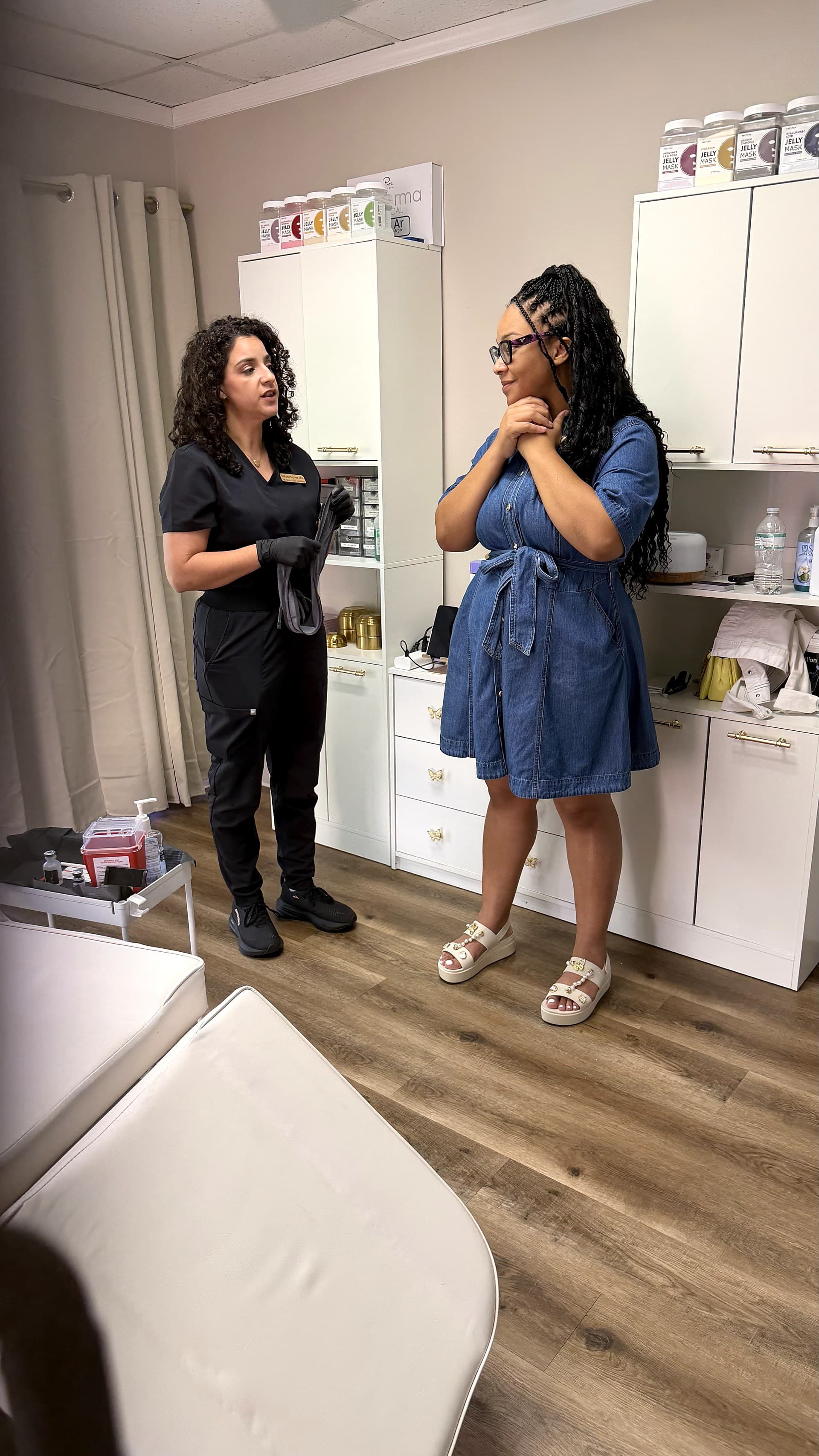
Beauty aesthetics brings together personal style, skincare, and professional treatments to support the look you want, not a single standard of beauty. In this guide I explain what common aesthetic treatments can and can’t do, how to vet a med spa or provider in Tampa Bay, and what to budget for cost, recovery, and maintenance. The goal is simple: you make the choices, and beauty trends don’t make them for you.
What are aesthetic treatments, and what can they realistically achieve?
Aesthetic treatments are procedures meant to change or improve appearance: facial lines, skin texture, pigmentation, volume, and body contours. Each one addresses a different concern. Relaxing a facial muscle is not the same as resurfacing skin or adding volume, and the results and risks depend on the procedure, the product or device, and you.
Start by describing what bothers you in everyday terms. “My makeup catches on uneven texture” is a more useful starting point than asking for a device you saw online. Bring your priorities, and leave room for a qualified clinician to tell you whether treatment makes sense or whether another approach fits better.
Use these distinctions to guide your consultation:
- Lines that appear with expression: neuromodulators such as Botox relax selected muscles and temporarily soften certain facial lines.
- Volume or contour concerns: dermal fillers add fullness in specific approved areas, and the product and injection site matter.
- Texture and surface concerns: resurfacing options include chemical peels, lasers, and microneedling, each with different uses and recovery.
- Localized body contours: some devices target small fat bulges or the look of cellulite. They are not weight-loss treatments.
Match the treatment to the concern
Brand and device names make comparison shopping confusing. Instead of asking which product or machine is “best,” ask what it treats, whether its approved use matches your concern, and why it suits you. FDA approval or clearance covers specific uses. It is not a promise of the result you have in mind.
Injectables: movement versus volume
Neuromodulators and dermal fillers are not interchangeable. A neuromodulator keeps selected muscles from tightening, which softens lines that form with expression. A filler adds volume or corrects certain kinds of contour loss. Neuromodulator results start to show within a few days and build over the following week or two, and the American Academy of Dermatology says the effect lasts about 3 to 4 months, sometimes longer.
Both deserve informed consent, not a quick pick from a menu. The FDA lists bruising, redness, swelling, and tenderness among common filler side effects, and calls accidental injection into a blood vessel the most serious risk: it can cause tissue death, stroke, or blindness. Ask about the exact product, the injector’s training, and the plan for spotting and managing complications. At MeliOra, Botox means Jeuveau or Xeomin, every visit is with a board-certified physician, and we don’t offer dermal fillers.
Resurfacing and microneedling need an individual plan
Laser and light treatments, chemical peels, and microneedling take different routes to improving skin. Radiofrequency (RF) microneedling adds energy: the FDA describes tiny needles that penetrate the skin and deliver radiofrequency energy that heats the tissue. A fashionable device name or a “minimally invasive” label doesn’t remove the need for a medical assessment.
On October 15, 2025, the FDA warned of serious complications reported with certain uses of RF microneedling, including burns, scarring, fat loss, disfigurement, and nerve damage, and called it a medical procedure, not a cosmetic treatment. For any resurfacing, ask how your skin type, medical history, allergies, and medications affect the plan. The American Society of Plastic Surgeons notes that each of these can raise the risk of complications.
Body contouring is not weight management
Noninvasive body contouring may reduce small fat bulges or temporarily improve the look of cellulite, depending on the technology. The FDA is direct about its limits: it doesn’t treat obesity, improve your health, or result in weight loss. Many results are temporary and need repeat sessions, and some complications can last, become permanent, or need surgery to correct.
Ask the clinician to separate fat, loose skin, and cellulite when explaining your options, and ask for a realistic description of the change to expect rather than relying on promotional photos. If weight is the real goal, that is a medical conversation. Start with physician-supervised medical weight loss.
How do you choose a trustworthy aesthetics provider?
Choose a provider by checking credentials, experience with the specific procedure, and clear plans for assessment, consent, aftercare, and complications. A beautiful treatment room or a well-known device is not a substitute for those checks. For fillers, the FDA recommends a licensed health care provider with experience in dermatology or plastic surgery who is trained to inject them.
Bring a short checklist to your consultation:
- Identify the practitioner: ask who will assess you, who will treat you, and which credentials you can verify yourself.
- Share your history: bring a medication list and mention past procedures, allergies, skin reactions, and health conditions.
- Ask for the reasoning: why does this option fit your concern, and what reasonable alternatives exist?
- Look closely at photos: before-and-after pairs should match in lighting, angle, and timing.
- Clarify support: ask whom to contact after hours and what happens if a complication develops.
These questions turn a sales conversation into an informed decision. You never need to book during a consultation. Take the plan home if you want time to weigh its benefits, limits, and cost.
Beauty salons, med spas, and aesthetics studios in Tampa Bay
When you compare beauty salons, med spas, and aesthetics studios across Tampa Bay, look past the business label to the individual service and the person performing it. The Florida Department of Health runs a free license verification search (linked in the sources below) where you can look up a practitioner by name and see their license status and any public disciplinary action.
Botox and other neuromodulators are prescription medications, so a medical professional should be responsible for your assessment and treatment, wherever the appointment happens. Don’t assume a service is nonmedical because it appears on a spa menu. Ask who evaluates you, who injects, and which license covers the treatment.
Compare convenience only after those checks. Think about travel for follow-up visits, access to the person who treated you, and how easily you can get help if a concern comes up. MeliOra is a concierge practice: a board-certified physician comes to your home or office anywhere in Hillsborough, Pasco, and Pinellas counties with no travel fee, or sees you at the Lutz office by appointment.
What should you budget for treatment and maintenance?
Build your budget around the whole plan, not the advertised starting price. Ask for an itemized estimate that covers the first treatment, any recommended series, follow-up, products, and maintenance. Without a specific procedure and an individual assessment, any universal price range would be misleading.
Ask the practice to separate these items:
- Initial treatment: which area, how much product, or which service is included?
- Treatment series: are more sessions recommended, and when will progress be reviewed?
- Maintenance: what future visits might keep the result going?
- Other charges: are consultations, aftercare products, or follow-up visits billed separately?
For Botox at MeliOra, pricing is per unit: Jeuveau and Xeomin are each $12/unit, with no travel fee anywhere in the service area. Your dose depends on the areas treated, and how many units of Botox you need walks through typical ranges.
If you are offered a membership, compare its total cost with the services you actually expect to use. Ask about expiration, cancellation, unused credits, and whether your suitability is reassessed before each treatment. A discount should never become a reason to accept treatment you don’t need.
For financing, get the interest rate, fees, repayment schedule, and any promotional conditions in writing, and compare the total amount repaid, not just the monthly payment. Don’t commit to a package until you understand both the care plan and the financial agreement.
Keep beauty trends in perspective
Treat aesthetic beauty as a personal preference, not an obligation to match a particular face or body. Explore aesthetic styles through references that capture your taste, such as understated makeup, expressive color, or softly defined features. Good aesthetic design looks at the whole face rather than changing isolated features without a clear goal.
Give trendy add-ons extra scrutiny. The FDA states that there are no FDA-approved exosome products, so an innovative-sounding ingredient is not proof of benefit. Ask what evidence supports the exact product and how it would be used.
The most practical beauty tips still matter most. The American Academy of Dermatology recommends a broad-spectrum, water-resistant sunscreen with SPF 30 or higher. After any procedure, follow the aftercare your clinician gives you rather than improvising from social media.
Before your consultationWrite down your main concern, your budget, and the recovery time you can realistically fit in. Use those three priorities to judge any plan you are offered.
Make the next step a considered one
Bring those priorities to a consultation instead of arriving with a prepaid package in mind. The best plan is one you understand, can maintain, and feel comfortable declining or revisiting. If you’re not sure where to start, take the Find Your Treatment quiz, or book a visit or call or text (813) 726-5808, and I’ll talk through your goals with you.
Frequently asked questions
What is beauty aesthetics?
Beauty aesthetics is the mix of personal style, skincare, and professional treatments people use to support the look they want. On the treatment side, it includes options such as neuromodulators for expression lines, fillers for volume, and resurfacing for texture, each with different results, risks, and upkeep.
What is the difference between a beauty salon and a med spa?
The label matters less than the service and the person performing it. Prescription treatments such as Botox need a medical professional responsible for your assessment and care, wherever the appointment happens. In Florida, you can check a practitioner’s license for free through the Department of Health license verification search.
How do I check an aesthetic provider’s license in Florida?
Use the Florida Department of Health license verification search. Look up the practitioner by name to see their license status and any public disciplinary action, and ask at your consultation who will assess and treat you.
Does MeliOra offer dermal fillers?
No. MeliOra doesn’t offer dermal fillers. For lines that form with expression, MeliOra offers Botox with Jeuveau or Xeomin, and every visit is with a board-certified physician.
How much does Botox cost at MeliOra?
Jeuveau and Xeomin are each $12/unit, with no travel fee anywhere in Hillsborough, Pasco, and Pinellas counties. Your total depends on how many units the areas you want treated need.
Related Services
Sources & References
Ready to take the next step?
Serving Lutz, Wesley Chapel, Land O'Lakes, Carrollwood, New Tampa & greater Tampa Bay.
Book Your Consultation