Zinc and Botox: One Small Study, Three Big Caveats
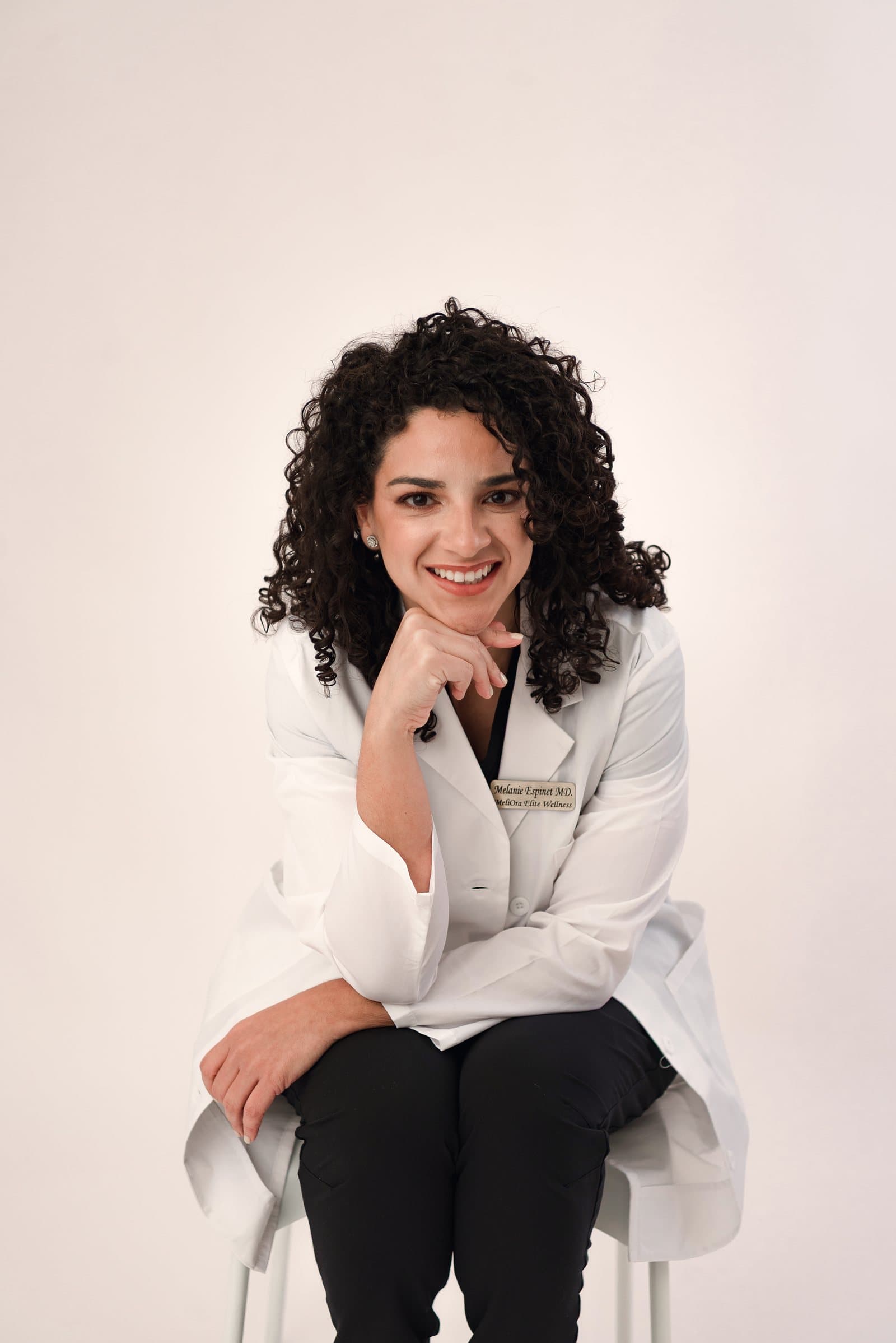
Dr. Melanie Espinet, board-certified Family Medicine physician ·
The zinc and Botox idea rests on one small 2012 study that stopped early, so ask your physician before adding zinc pills. Photo: Antoni Shkraba on Pexels
The short answerNot reliably, as far as the evidence shows. The zinc and Botox idea comes from one small 2012 study in which most people taking zinc with phytase, an enzyme that helps the gut absorb zinc, had effects lasting nearly 30% longer on average. That study broke its blinding and stopped early, and a 2026 review calls the evidence too thin to recommend zinc. Ask your physician before starting it.
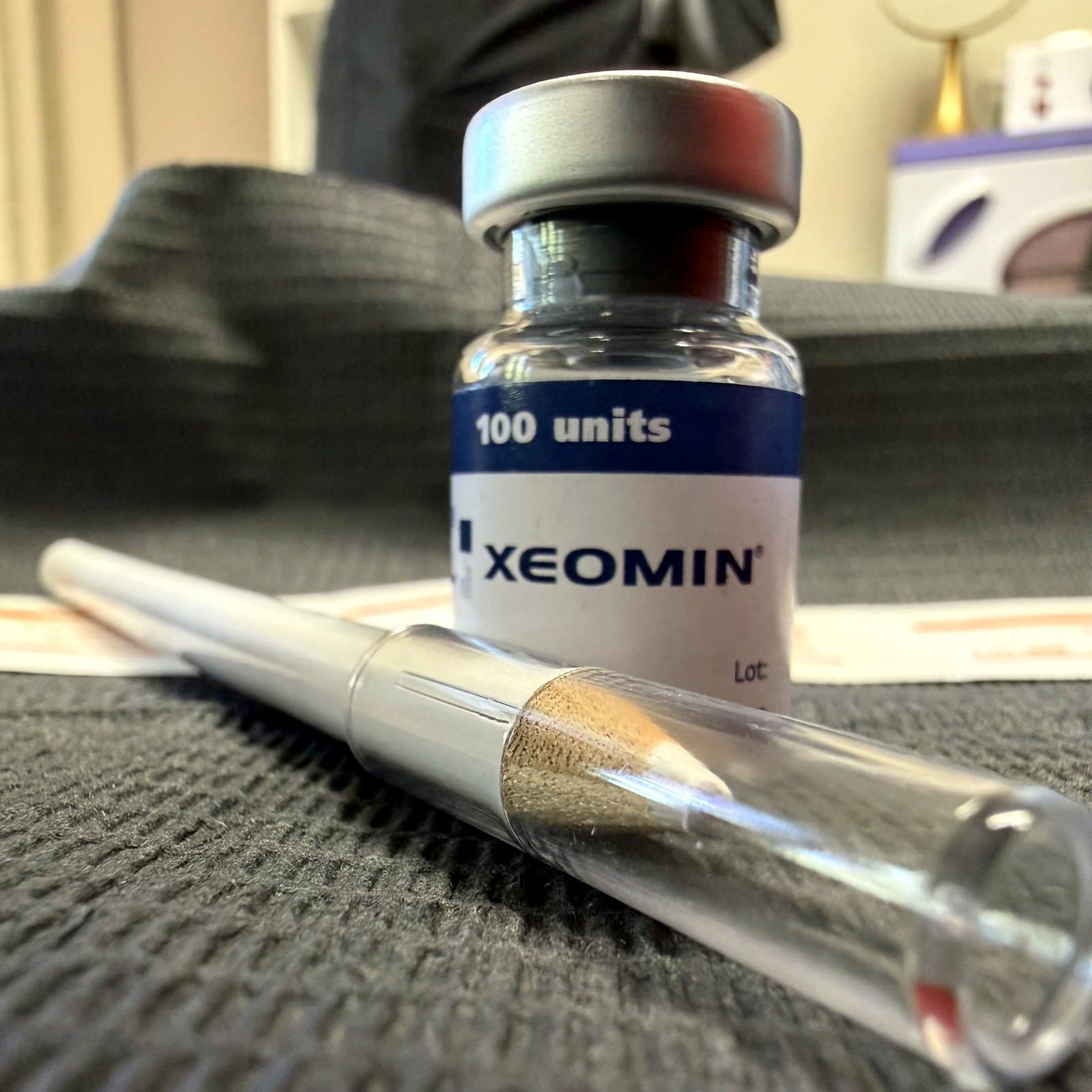
Zinc pills sold to make Botox last longer trace back to that one trial. Below are its three big caveats, what came after, and the safer next step. A note on names: that study used Allergan’s onabotulinumtoxinA, sold as Botox and Botox Cosmetic, which MeliOra doesn’t carry. Everywhere else here, Botox means our Botox brands, Jeuveau and Xeomin, as on our Botox in Lutz page.
Does zinc make Botox last longer?
No reliable evidence shows it does. Two small trials reported longer or stronger effects, and a 2023 review saw promise but asked for larger trials. A 2026 review calls the evidence insufficient to recommend zinc, and neither Jeuveau’s nor Xeomin’s label mentions it.
A 2018 review of how long botulinum toxin lasts for wrinkles in general, published before Jeuveau was approved, listed zinc with phytase among the factors that still need research, and found most people’s results held for three to four months. That range, not a supplement, is what to plan around; our guide to how long Botox lasts covers it area by area.
Why zinc and Botox get linked
Botulinum toxin works as an enzyme. Inside the nerve ending, it cuts a protein the nerve needs to send its signal to the muscle, and that cutting step depends on zinc, a 2026 review explains. The leap is assuming that extra zinc in your diet adds effect. The NIH Office of Dietary Supplements says most people in the United States get enough zinc, though older adults may run low. For the rest of the chemistry, see what Botox is made of.
Zinc phytase and Botox: one small study, three big caveats
In the 2012 pilot trial, 77 patients treated for facial lines or for two eyelid and facial spasm conditions took zinc citrate 50 mg with phytase, 10 mg of zinc gluconate, or a lactulose placebo, in a double-blind crossover design. The toxins were Allergan’s onabotulinumtoxinA, Dysport, and a type B toxin, not Jeuveau or Xeomin. The abstract reports that 92% of people on zinc with phytase had effects lasting nearly 30% longer on average, and 84% reported a stronger effect; the other two groups saw no significant change.
We couldn’t access the full paper, so these figures come from its abstract, and none of them describe our brands; Jeuveau vs Xeomin covers what their labels say. Three caveats travel with the results.
Caveat 1: no one showed the patients were low in zinc
A 2014 critique in the Journal of Cosmetic and Laser Therapy found no direct evidence that participants were short on zinc, or ate enough phytate to block its absorption. Phytate is a compound in whole grains and legumes that binds zinc in the gut. Without a measured shortfall, the study can’t say who, if anyone, would benefit.
Caveat 2: the dose is unclear and may top the adult limit
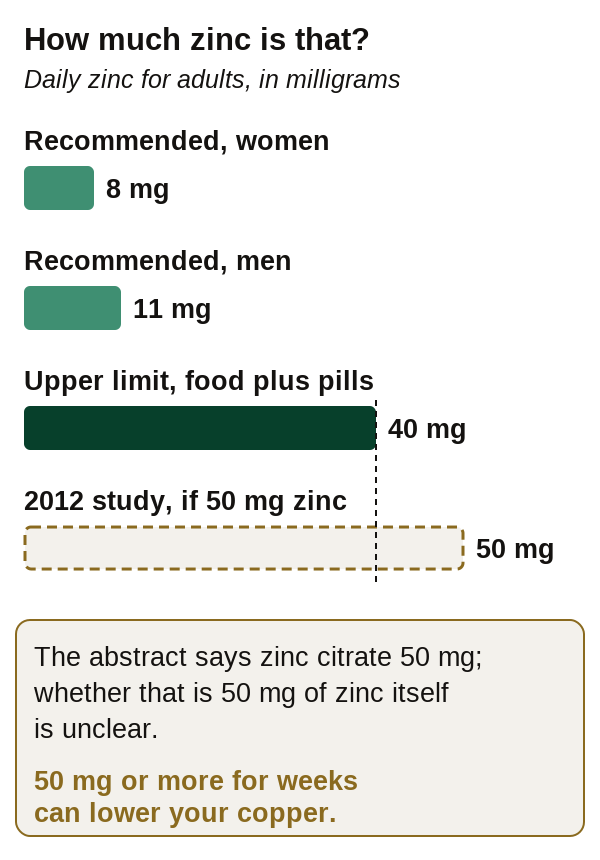
The abstract names “zinc citrate 50 mg” in one place and “zinc 50 mg” in another, and the critique called the dose ambiguous. If it meant 50 mg of zinc itself, that is above the 40 mg daily upper limit for adults, which counts food and supplements together. The NIH says 50 mg or more for weeks can lower copper, weaken immune function, and lower HDL, the “good” cholesterol.
If the 2012 dose meant 50 mg of zinc itself, it sat above the 40 mg adult upper limit.
Caveat 3: the blinding broke, and the senior author developed the supplement
The authors wrote that the supplement’s “dramatic impact” on some patients unmasked the study and prompted an early stop, so people may have known what they were taking. The critique also flagged a potential financial conflict of interest. Separately, a November 2012 news release from the supplement’s seller says the study’s senior author developed the zinc and phytase blend it sells, and cites the study for its 30% claim.
The zinc and Botox evidence ladder
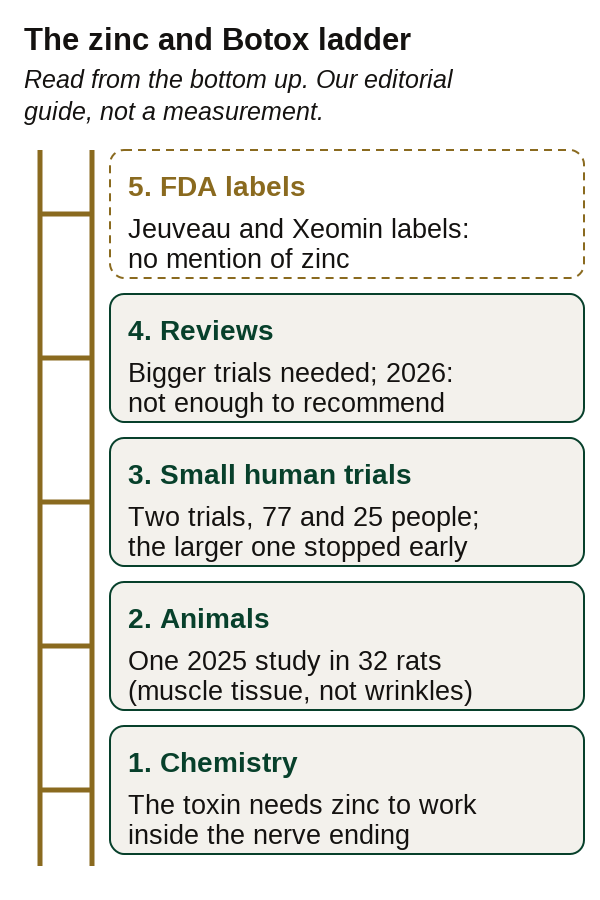
To weigh any supplement claim, sort its evidence from weakest to strongest. This ladder is our editorial guide, not a measurement or a MeliOra rule.
Chemistry: the toxin needs zinc to work inside the nerve ending. True, but it doesn’t show that extra zinc helps
Animals: in one 2025 study of 32 rats, adding zinc led to more shrinkage of the treated jaw muscle, and copper had the opposite effect
Small human trials: the 2012 trial of 77 people, and a 2021 trial of 25 people treated for a gummy smile, in which the zinc group showed less gum than the toxin-only group from week 6 through week 24
Reviews: a 2023 systematic review kept three randomized trials and one case report; three of the four reported a stronger or longer toxin effect with zinc, and the authors asked for larger trials with objective measures. A 2026 review called the evidence insufficient for a recommendation
FDA labels: neither the Jeuveau nor the Xeomin label mentions zinc
The zinc claim is solid only on the bottom rung; the top rung, the FDA labels, is empty.
The gummy smile trial is the closest to our treatment chart, since gummy smile is one of the areas we treat; our gummy smile Botox guide covers it. A 2024 review summed up the human studies as mixed.
Planning Botox and taking supplements? Bring the list to your visit. Botox with Jeuveau or Xeomin is $12/unit, and frown lines take about 20 units, about $240. You approve the brand, areas, and units before anything begins. Book a Botox visit when you’re ready.
Should you take zinc before Botox?
Not without asking. Zinc isn’t part of our Botox prep checklist, and both Medication Guides ask you to tell your provider about all the medicines, vitamins, and herbal supplements you take, so list zinc too. Ask Dr. Espinet before starting any supplement for Botox.
Check first if you take these medicines
The NIH says zinc can interact with quinolone antibiotics, such as ciprofloxacin, and tetracycline antibiotics, blocking the absorption of both; taking the antibiotic at least 2 hours before or 4 to 6 hours after the zinc helps. Zinc also reduces the absorption of penicillamine, and thiazide diuretics pull zinc out in the urine. Never stop a prescribed medicine to make room for a supplement.
Who may actually run low on zinc
The NIH lists people with Crohn’s disease or ulcerative colitis, people who’ve had bariatric surgery, people on vegetarian or vegan diets, and people with alcohol use disorder among those at higher risk of low zinc. If that’s you, talk with your physician about your diet and whether testing makes sense, apart from any Botox plan.
What actually helps Botox last
Dose, muscle strength, and the area treated shape how long Botox lasts, as our guide to how long Botox lasts explains area by area. For facial lines, the labels for both of our Botox brands say not to retreat more often than every three months. If results fade faster treatment after treatment, read Botox resistance before blaming your diet, and tell your injector what you’ve noticed.
Who should skip zinc pills, and when to get care
Skip extra zinc, or ask a physician first, if you take any of the medicines above or already get zinc from a multivitamin, cold lozenges, or a zinc denture cream, which the NIH and MedlinePlus list as zinc sources. MedlinePlus notes that large doses can cause diarrhea, cramps, and vomiting within 3 to 10 hours. If a Botox result fades early or looks uneven, see your injector instead of adding supplements on your own.
After taking zinc, if you notice
What to do
Nausea, vomiting, stomach cramps, or diarrhea
Stop the zinc and call your physician. Large doses can cause these within hours
Someone swallowed much more zinc than the label dose, or has bloody diarrhea, fever, yellow skin, or very little urine after zinc
Call Poison Help at 1-800-222-1222 right away. Call 911 for collapse, a seizure, or trouble breathing
Numbness or tingling, trouble with balance, or unusual tiredness after weeks of zinc
Stop the zinc and see your physician soon. Long-term high doses can lower copper, which can affect nerves and blood
Some people shouldn’t get Botox at all, including anyone allergic to a botulinum toxin product or with a skin infection where they’d be treated, and people with a nerve or muscle disease need to talk it through first; our Botox side effects guide lists who. If you’ve had Botox, use this table, which matches that guide row for row.
If you notice
What to do
Trouble swallowing, speaking, or breathing
Call 911 or get emergency care right away
Weakness all over the body
Call 911 or get emergency care right away
Double vision or blurred vision
Go to the emergency room or see a health care provider right away. Don’t wait, and don’t drive yourself
Hoarseness, a change in your voice, or loss of bladder control
Get medical care right away
Wheezing, swelling of your face, eyes, or tongue, or feeling faint
This could be a severe allergic reaction. Call 911 right away
Chest pain or pressure, or a racing or irregular heartbeat
Call 911 right away, and don’t drive yourself. The Jeuveau label and Allergan’s Botox Cosmetic label report irregular heartbeats and heart attacks after botulinum toxin products, some fatal
Hives, itching, or a rash with no trouble breathing
A possible allergic reaction. Get medical help right away, and call 911 if it gets worse
Eye pain or sudden vision changes
Go to the emergency room or an eye doctor right away, and don’t drive yourself. Call 911 if you suddenly lose vision
An eye that feels dry, irritated, or gritty, is sensitive to light, or won’t close fully
Get medical care right away. The Jeuveau label notes toxins can reduce tears and blinking, and the Xeomin label says reduced blinking can injure the eye’s surface
A droop, blurred vision, slurred speech, dry mouth, or weakness after toxin from an online seller, an unlicensed injector, or an unknown product
Go to the emergency room now, don’t drive yourself, and call 911 if breathing or swallowing gets harder. Tell them what was injected, how many units, and when. The CDC lists drooping eyelids, blurred vision, and slurred speech among early botulism signs
Sudden drooping on one side of your mouth or cheek, sudden numbness or weakness in your face, arm, or leg, sudden confusion, or a droop with a severe headache, eye pain, or one pupil larger than the other
These can have causes other than Botox, including a stroke. Call 911 right away, and don’t drive yourself
Redness, warmth, or swelling where you were treated that spreads or worsens, or pus or a fever
Call your injector or doctor today. The Jeuveau label lists infection among the effects an injection can cause
A drooping eyelid or heavy brow on its own, after treatment by a licensed provider with a product you can identify
Call your injector, or call or text Dr. Espinet if she treated you. The labels say to avoid driving if you have a drooping eyelid or muscle weakness
Botox at MeliOra: bring your supplement list
Dr. Melanie Espinet, a board-certified Family Medicine physician, reviews your prior units and areas at the consultation and places every Botox injection herself. Botox with Jeuveau or Xeomin is $12/unit, with no travel fee anywhere in Hillsborough, Pasco, and Pinellas counties.
Visits happen at your home, your office, or the Lutz office. At any house call, including ours, ask how the product was stored on the way and what the plan is for a serious reaction. When you’re ready, book a Botox visit and bring any supplements you take.
Frequently asked questions about zinc and Botox
Does zinc make Botox last longer?
Not reliably, as far as the evidence shows. A 2012 study reported effects lasting nearly 30% longer with zinc and phytase, but it was small, stopped early after its blinding broke, and its senior author developed the supplement. A 2026 review found the evidence insufficient to recommend zinc for Botox.
Should I take zinc before Botox?
Ask your physician first. Zinc isn’t part of our Botox prep checklist, and both the Jeuveau and Xeomin Medication Guides ask you to report your medicines, vitamins, and herbal supplements, so list zinc too. Zinc can interact with some antibiotics and penicillamine, and doses of 50 mg or more for weeks can lower your copper.
What is zinc phytase for Botox?
It means zinc taken with phytase, an enzyme that breaks down phytate, a compound in grains and legumes that blocks zinc absorption. A 2012 study tested zinc citrate 50 mg with phytase alongside toxin treatment. A 2026 review calls the evidence too limited to recommend it, and that study didn’t use Jeuveau or Xeomin.
How much zinc is too much?
The NIH sets the adult upper limit at 40 mg a day from food and supplements combined. Doses of 50 mg or more for weeks can lower copper, weaken immune function, and lower HDL cholesterol. The recommended amount is 8 mg a day for women and 11 mg for men, and most people get enough from food.
Has zinc been tested with Jeuveau or Xeomin?
Not in any trial we found. The 2012 study used Allergan’s onabotulinumtoxinA, Dysport, and a type B toxin, and results with one brand don’t automatically carry over to another. Neither the Jeuveau nor the Xeomin label mentions zinc. Bring any supplement you take to your visit so Dr. Espinet can review it.
What makes Botox last longer instead?
A dose matched to your muscles and the area treated. For facial lines, both of our brands’ labels say not to retreat more often than every three months, and the AAD puts the usual effect of botulinum toxins at about 3 to 4 months. If results fade quickly every time, tell your injector before adding supplements.