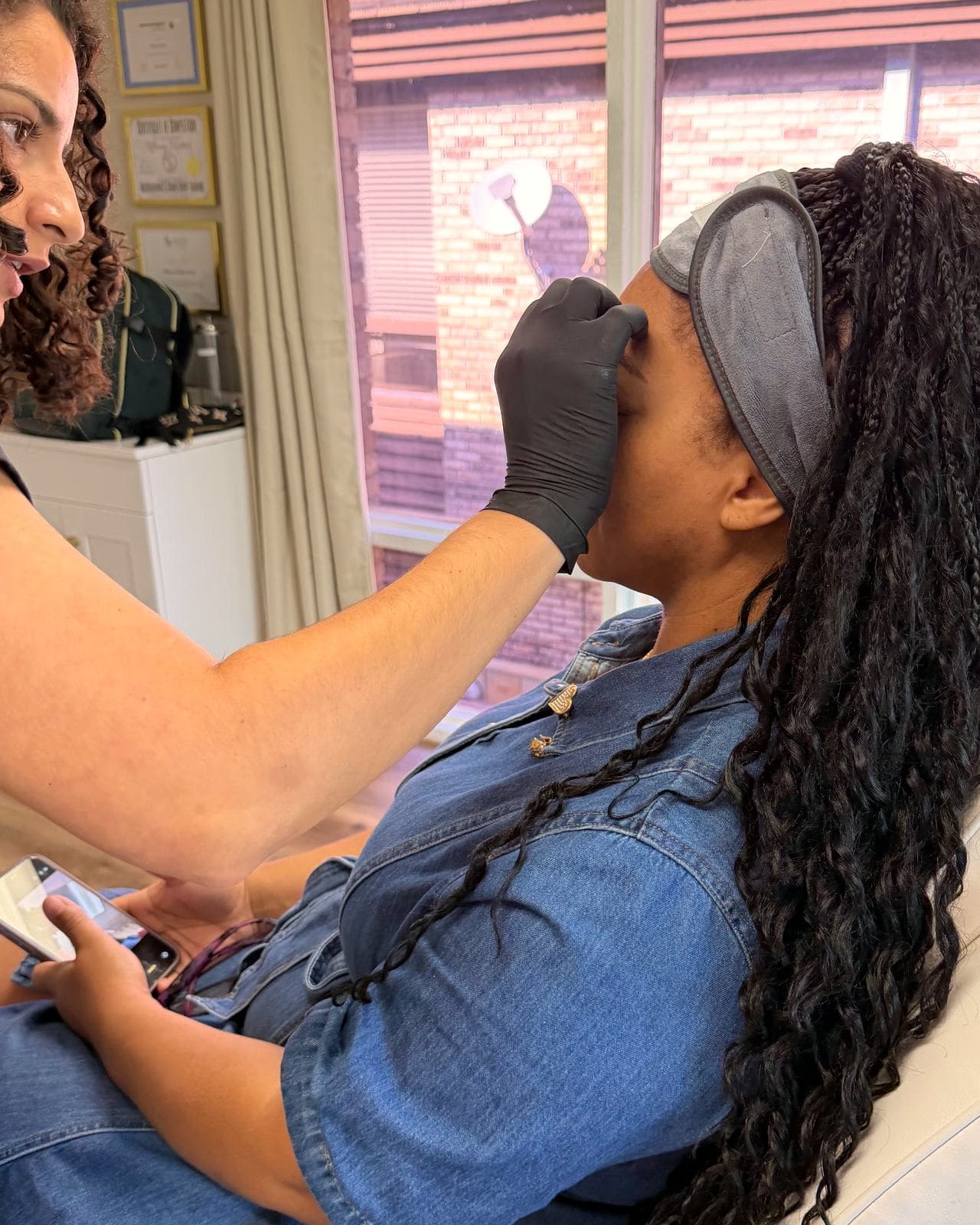
The short answerGummy smile Botox softens how high your upper lip rises when you smile, so less gum shows. It helps only when the cause is an overactive lip, though, and many gummy smiles start with the teeth, the gums or the jaw instead. At MeliOra it’s a small dose: typically 2 to 4 units of Botox with Jeuveau or Xeomin, or $24 to $48 at $12 a unit. It’s an off-label use, which Dr. Espinet explains before you decide. In studies, which used other toxin brands, the change showed at about two weeks and faded over the following months.
Below: the causes, a sorter for which kind you have and who treats it, what studies found, and who should be careful. On this page, onabotulinumtoxinA means Allergan’s Botox Cosmetic, which MeliOra doesn’t carry. For every area we treat, see Botox in Lutz.
What is a gummy smile, and what causes it?
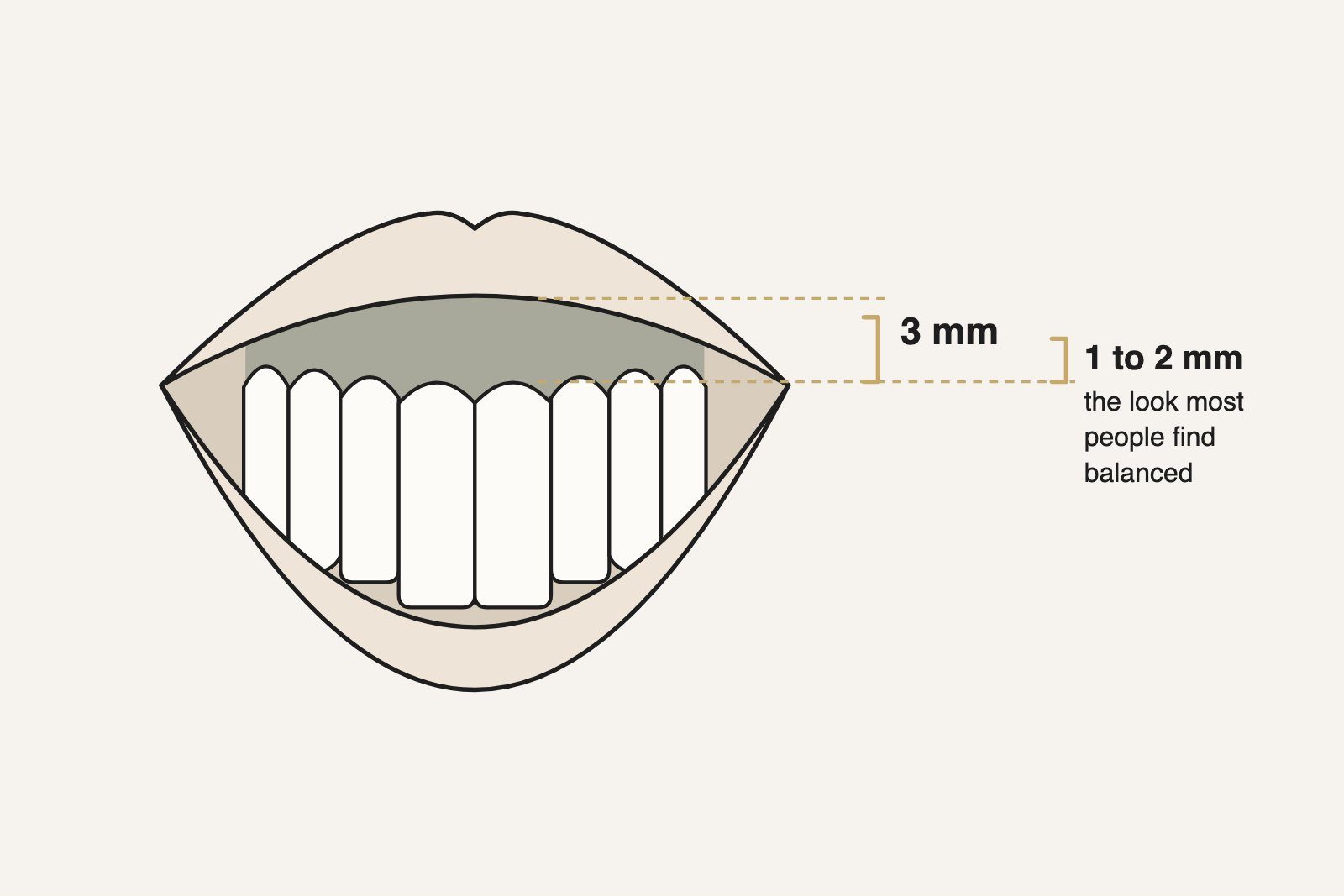
A gummy smile, or excessive gingival display, means more than about 3 mm of upper gum shows when you smile. Reviews describe 1 to 2 mm as the look most people find balanced, and estimate that roughly 10% to 30% of people have a gummy smile.
There’s more than one possible cause, and often more than one at once:
Muscle: an upper lip that rises higher than average when you smile
Gum: gum that never fully pulled back as the teeth came in, called altered passive eruption
Gum overgrowth, which some medicines can cause
Bone: a long upper jaw, called vertical maxillary excess
Lip and tooth shape: a short upper lip, or front teeth that erupted too far
Among 56 people screened for a gummy smile treatment study, an overactive upper lip was the most common cause, often alongside altered passive eruption. Filler, which MeliOra doesn’t offer, is a different tool; see Botox vs fillers.
The muscles behind a gummy smile
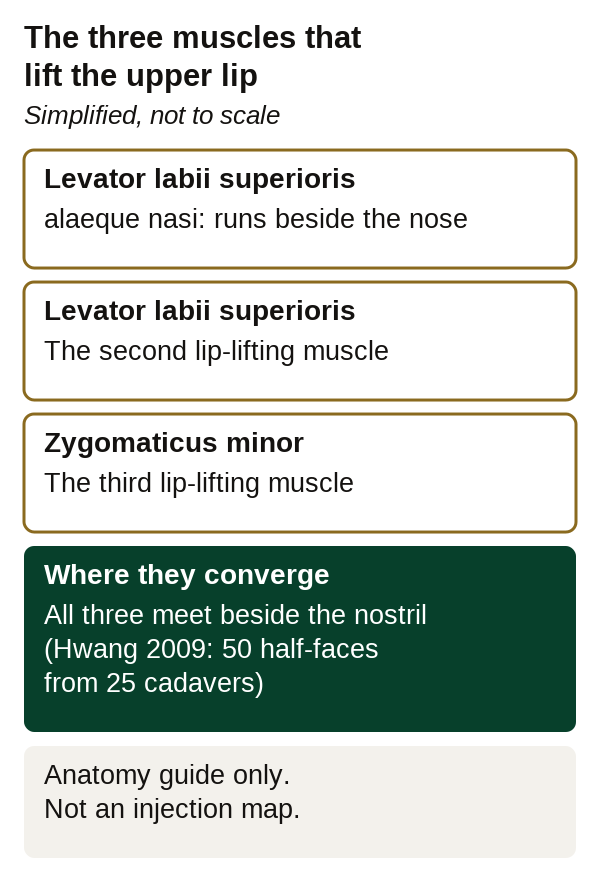
Three slim muscles lift the upper lip: the levator labii superioris alaeque nasi, which runs beside the nose; the levator labii superioris; and the zygomaticus minor. A 2009 Yonsei University study of 50 half-faces from 25 cadavers found that all three converge beside the nostril, and named the center of a small triangle of surface landmarks there the “Yonsei point”. A 2024 randomized trial of 49 participants found no difference in gum show between injecting the Yonsei point and the nose-side muscle alone. The nose-side muscle also helps form bunny lines.
Three small muscles meet beside the nose to lift the upper lip; this guide shows anatomy, not injection sites.
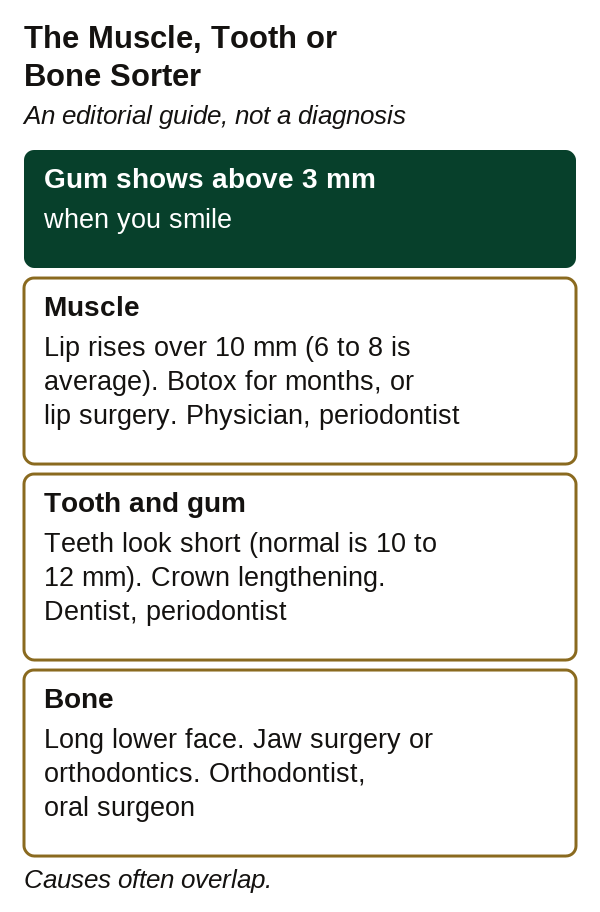
The Muscle, Tooth or Bone Sorter: which gummy smile is it?
The Muscle, Tooth or Bone Sorter is our editorial guide, not a diagnosis. It turns the causes in the research into mirror clues and points each to the professional who treats it. Only an exam confirms the cause, with gum probing and X-rays for tooth and gum causes and facial measurements for the jaw.
Mirror clue
Likely type, and who treats it
Teeth look normal length, and the lip rises high in a big smile
Muscle. Botox softens it for a few months; lip repositioning surgery is the established surgical option. A physician, periodontist or surgeon
Front teeth look short, with gum covering part of them
Tooth and gum (altered passive eruption). A dentist or periodontist, often with crown lengthening. Botox works on muscle, not gum
Gums look swollen or overgrown, especially after a new medicine
Gum overgrowth. See your dentist, and don’t stop any medicine on your own
The lower third of your face looks long, with lots of gum showing
Bone (vertical maxillary excess). An orthodontist and an oral and maxillofacial surgeon. Botox may soften borderline cases, briefly
The upper lip looks short at rest, or the front teeth sit low
Lip length or tooth position. A dentist or orthodontist checks this before anything else
Behind the clues: front teeth are normally about 10 to 12 mm tall, and the lip rises about 6 to 8 mm in an average smile but over 10 mm with overactive muscles. Crown lengthening treats altered passive eruption; lip repositioning surgery treats an overactive lip, while a long upper jaw usually needs jaw surgery or, in some cases, orthodontic intrusion. When causes overlap, the order of treatments matters.
Botox fits the muscle branch; the tooth, gum and bone branches start with a dentist.
If the sorter lands on tooth, gum or bone, start with a dentist. If it lands on muscle, Botox is a short-term option worth discussing. The lip flip, which rolls the lip outward instead, is a different treatment with no availability right now; see the lip flip. Vertical lines around the lips are a separate question, covered in Botox for lip lines.
Sorter pointing to the muscle?Book a Botox visit. Gummy smile treatment typically takes 2 to 4 units of Botox with Jeuveau or Xeomin, $24 to $48 at $12 a unit, and you approve the brand, units and total before anything begins.
How Botox for a gummy smile works, and how many units it takes
Botulinum toxin blocks the release of acetylcholine, the chemical signal that tells a muscle to contract, so the treated muscle pulls less. Relaxing the muscles that lift the upper lip too far lets the lip cover more gum; your teeth, gums and jaw don’t change. In the nose-to-mouth fold, that same change is a side effect, not the goal; see Botox for smile lines.
Neither of our brands’ labels lists a gummy smile, or any muscle around the mouth, among its approved uses. Jeuveau is approved for frown lines only; Xeomin’s cosmetic approval covers frown lines, forehead lines and crow’s feet, and its other uses are medical, such as eyelid spasm and drooling. So gummy smile treatment is off-label: doctors generally may use an approved drug this way when they judge it medically appropriate, but the FDA has not determined it safe and effective for that use.
How many units of Botox for a gummy smile?
MeliOra’s unit chart lists a typical 2 to 4 units for a gummy smile. In a 2022 review, all nine studies used onabotulinumtoxinA or abobotulinumtoxinA (Dysport), and a 2024 review of 13 controlled trials found doses were set by how much gum showed. Both our brands’ labels say units can’t be converted between brands, so study doses aren’t Jeuveau or Xeomin doses. See how many units of Botox you need for every area.
How much does gummy smile Botox cost?
At $12 a unit with Jeuveau or Xeomin, the typical 2 to 4 units comes to $24 to $48, and you approve the units and total first. Dr. Espinet reviews any prior units and areas at the consultation and places every Botox injection herself, at your home, your office or the Lutz office, with no travel fee anywhere in Hillsborough, Pasco and Pinellas counties. At any house call, including ours, ask how the product was stored on the way and what the plan is for a serious reaction. Other areas add units; see what Botox costs in Lutz.
Dr. Espinet places every Botox injection herself, including gummy smile treatment.
Gummy smile Botox results: when they show and how long they last
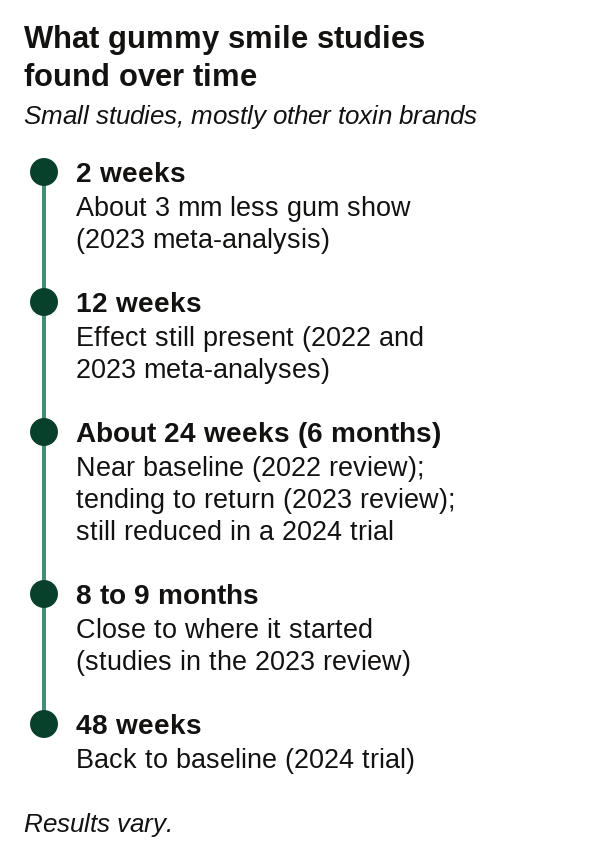
In the 2023 meta-analysis, gum show was about 3 mm lower two weeks after treatment and still lower than before at three months, pooled from small, varied studies. Studies checking at six months saw the gummy smile tending to return, and those running to eight or nine months found gum show close to where it started.
A 2022 meta-analysis agrees: an effect of at least 12 weeks, returning close to baseline within 24 weeks. In the 2024 trial, gum show was still reduced at 24 weeks and back to baseline by 48. Plan on months, not a year; compare the upper face in how long Botox lasts.
Both our brands’ labels say not to retreat frown lines more often than every three months; ask Dr. Espinet about timing for a gummy smile.
Studies saw the biggest change at two weeks and a gradual return over the following months.
Who should be careful, and when to see a dentist or doctor instead
Don’t have Botox for a gummy smile if you’re allergic to any botulinum toxin product or its ingredients, or have an infection where you’d be treated; both labels list these as contraindications. Tell your physician first about a nerve or muscle disease such as ALS, myasthenia gravis or Lambert-Eaton syndrome; trouble swallowing or breathing; heart or bleeding problems; past face or lip surgery; a side effect from a toxin before; another toxin in the last four months; or a recent antibiotic by injection or inhalation or a muscle relaxant. Both labels also urge caution with marked facial asymmetry (section 5.8). It isn’t known whether Jeuveau or Xeomin can harm an unborn baby or pass into breast milk; see Botox while pregnant or breastfeeding.
Off-label use carries label cautions too: the Jeuveau label reports serious reactions, including excessive weakness and swallowing trouble, some fatal, after toxin injections for unapproved uses, several in people who already had swallowing problems or other significant disabilities (section 5.3), and Xeomin’s boxed warning notes spread of effect in unapproved uses.
Smile changes are the risk specific to this area. The 2023 meta-analysis lists injection site pain, swelling, bruising, mild redness and an uneven smile, and its authors warn that hitting the target without changing the smile’s symmetry takes detailed anatomy knowledge. Toxin reaching a nearby smile muscle can leave the lip sitting low; for crow’s feet, the Xeomin label warns that injecting too close to the zygomaticus major can cause lip ptosis. A lip that sits too low or an uneven smile fades as the dose wears off; call the injector who treated you, and see too much Botox. Any droop on one side of your mouth or cheek that comes on suddenly, with or without numbness or weakness, is different: follow the 911 row below.
If you notice
What to do
Trouble swallowing, speaking, or breathing
Call 911 or get emergency care right away
Weakness all over the body
Call 911 or get emergency care right away
Double vision or blurred vision
Go to the emergency room or see a health care provider right away. Don’t wait, and don’t drive yourself
Hoarseness, a change in your voice, or loss of bladder control
Get medical care right away
Wheezing, swelling of your face, eyes, or tongue, or feeling faint
This could be a severe allergic reaction. Call 911 right away
Chest pain or pressure, or a racing or irregular heartbeat
Call 911 right away, and don’t drive yourself. The Jeuveau label and Allergan’s Botox Cosmetic label report irregular heartbeats and heart attacks after botulinum toxin products, some fatal
Hives, itching, or a rash with no trouble breathing
A possible allergic reaction. Get medical help right away, and call 911 if it gets worse
Eye pain or sudden vision changes
Go to the emergency room or an eye doctor right away, and don’t drive yourself. Call 911 if you suddenly lose vision
An eye that feels dry, irritated, or gritty, is sensitive to light, or won’t close fully
Get medical care right away. The Jeuveau label notes toxins can reduce tears and blinking, and the Xeomin label says reduced blinking can injure the eye’s surface
A droop, blurred vision, slurred speech, dry mouth, or weakness after toxin from an online seller, an unlicensed injector, or an unknown product
Go to the emergency room now, don’t drive yourself, and call 911 if breathing or swallowing gets harder. Tell them what was injected, how many units, and when. The CDC lists drooping eyelids, blurred vision, and slurred speech among early botulism signs
Sudden drooping on one side of your mouth or cheek, sudden numbness or weakness in your face, arm, or leg, sudden confusion, or a droop with a severe headache, eye pain, or one pupil larger than the other
These can have causes other than Botox, including a stroke. Call 911 right away, and don’t drive yourself
Redness, warmth, or swelling where you were treated that spreads or worsens, or pus or a fever
Call your injector or doctor today. The Jeuveau label lists infection among the effects an injection can cause
A drooping eyelid or heavy brow on its own, after treatment by a licensed provider with a product you can identify
Call your injector, or call or text Dr. Espinet if she treated you. The labels say to avoid driving if you have a drooping eyelid or muscle weakness
When to see a professional instead of booking Botox: if the sorter pointed to tooth, gum or bone, see a dentist first, and never stop a prescribed medicine on your own because of swollen gums. For a lasting change, ask about crown lengthening, lip repositioning surgery, orthodontics or jaw surgery, which MeliOra doesn’t offer. For side effects of Botox in general, see Botox side effects.
Frequently asked questions about gummy smile Botox
Does Botox work for a gummy smile?
It can, when an overactive upper lip is the cause. Studies found less gum showing about two weeks after treatment, with the effect fading over the following months. Botox doesn’t fix gum covering the teeth, gum overgrowth or a long upper jaw; those need a dentist, periodontist, orthodontist or oral surgeon.
How many units of Botox for a gummy smile?
MeliOra’s unit chart lists a typical 2 to 4 units for a gummy smile, one of the smallest doses on the menu. Studies used other toxin brands at doses that varied from study to study, and units don’t convert between brands. You approve your units and total before treatment begins.
How long does gummy smile Botox last?
Studies show the change at about two weeks, still present at around three months. A 2022 meta-analysis found gum show returning close to where it started within 24 weeks, and a randomized trial saw it back to baseline by 48 weeks. The mouth moves constantly, and results vary from person to person.
Can Botox for a gummy smile go wrong?
The usual problems are temporary: bruising, swelling, an uneven smile, or an upper lip that sits lower than you wanted. Call your injector about those. Call 911 for trouble swallowing, speaking or breathing, a swollen face or tongue, weakness all over, or a sudden droop on one side of your face, and get emergency care for double vision.
Is Botox for a gummy smile FDA approved?
No. Jeuveau’s label covers frown lines only, and Xeomin’s cosmetic approval covers frown lines, forehead lines and crow’s feet. Neither label includes a gummy smile, so treating it is an off-label use. Dr. Espinet explains what off-label means for you before you decide whether to go ahead.
What is the Yonsei point?
It’s an area beside the nostril where three lip-lifting muscles converge, named by Yonsei University researchers in a 2009 study of cadaver faces. A 2024 randomized trial of 49 participants found no difference in gum show between injecting there and injecting the muscle beside the nose alone.